Dataminr + Esri Australia:
emergency management
A product film for emergency services: floods, bushfires, storms and the control rooms that respond to them. Every live-action shot with people in it was made with AI. Nobody filmed a real crew, a real flood or a real control room.
The problem
Real emergencies can’t be scheduled.
Crews, vehicles and locations cost a lot.
Disaster footage raises safety and consent issues.
The approach
One reference image per scene.
AI Director, my proprietary software,
turns it into nine camera angles.
The best angle is upscaled and animated.
AI Director was the first of its kind
when I built it in December 2025.
The result
Cinematic flood, fire, road and control-room coverage
at a fraction of the cost of a shoot,
with no crews, no locations and no danger zones.
What it would have
cost to film
A traditional shoot for this film would have meant crews, locations, permits, emergency services on hire and a long wait for the right weather. AI Director delivered it for a fraction of the cost, and much of it could never have been filmed at all:
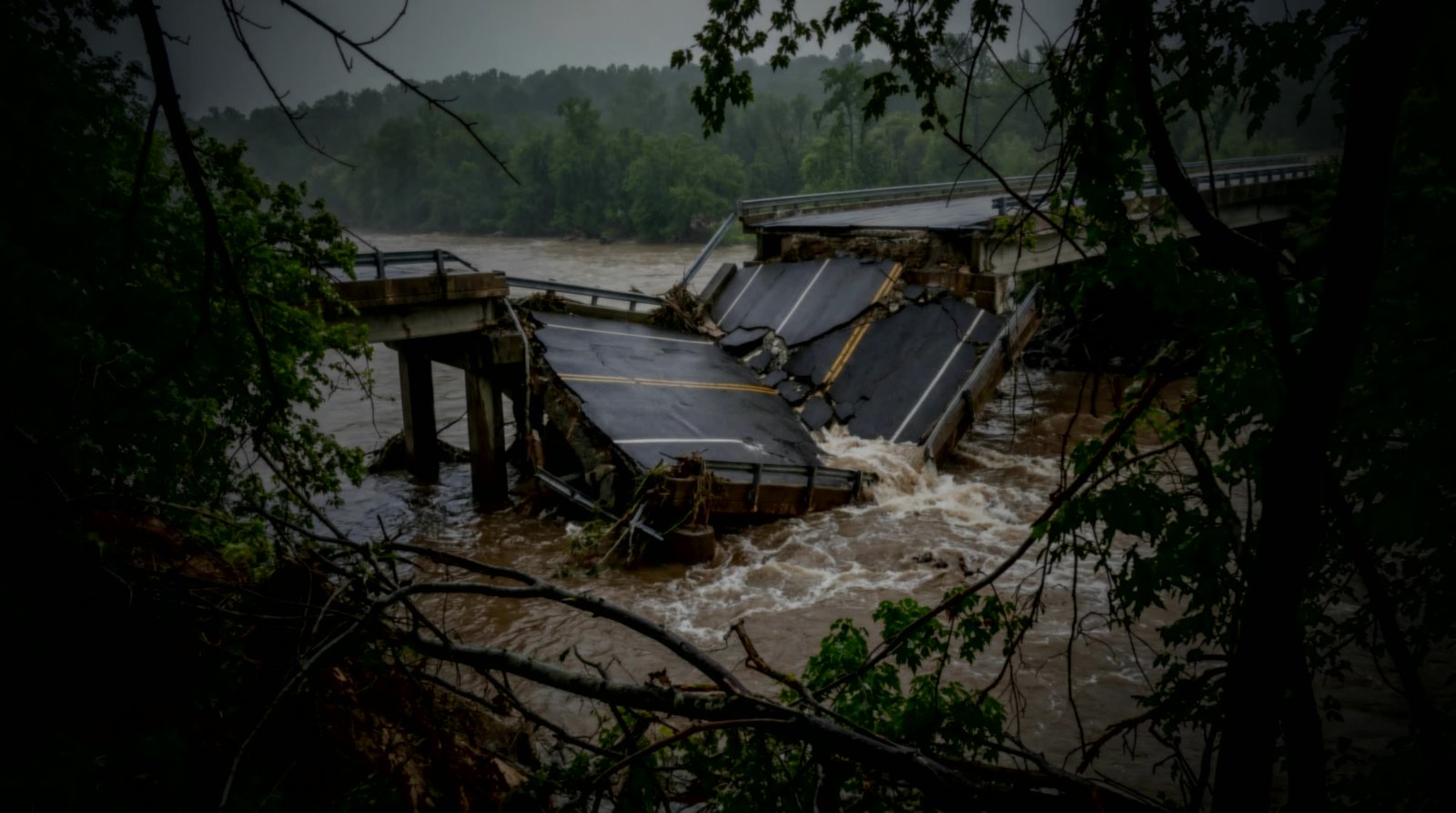
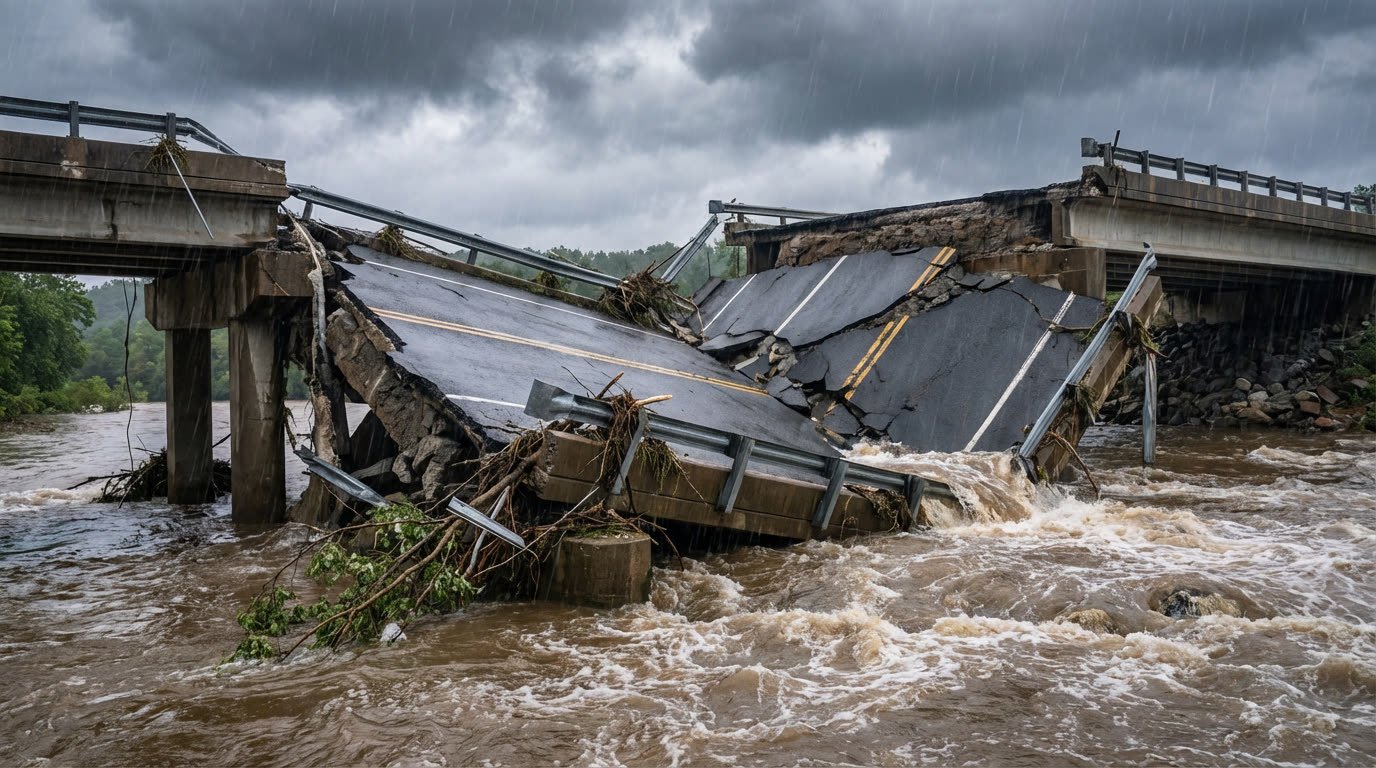
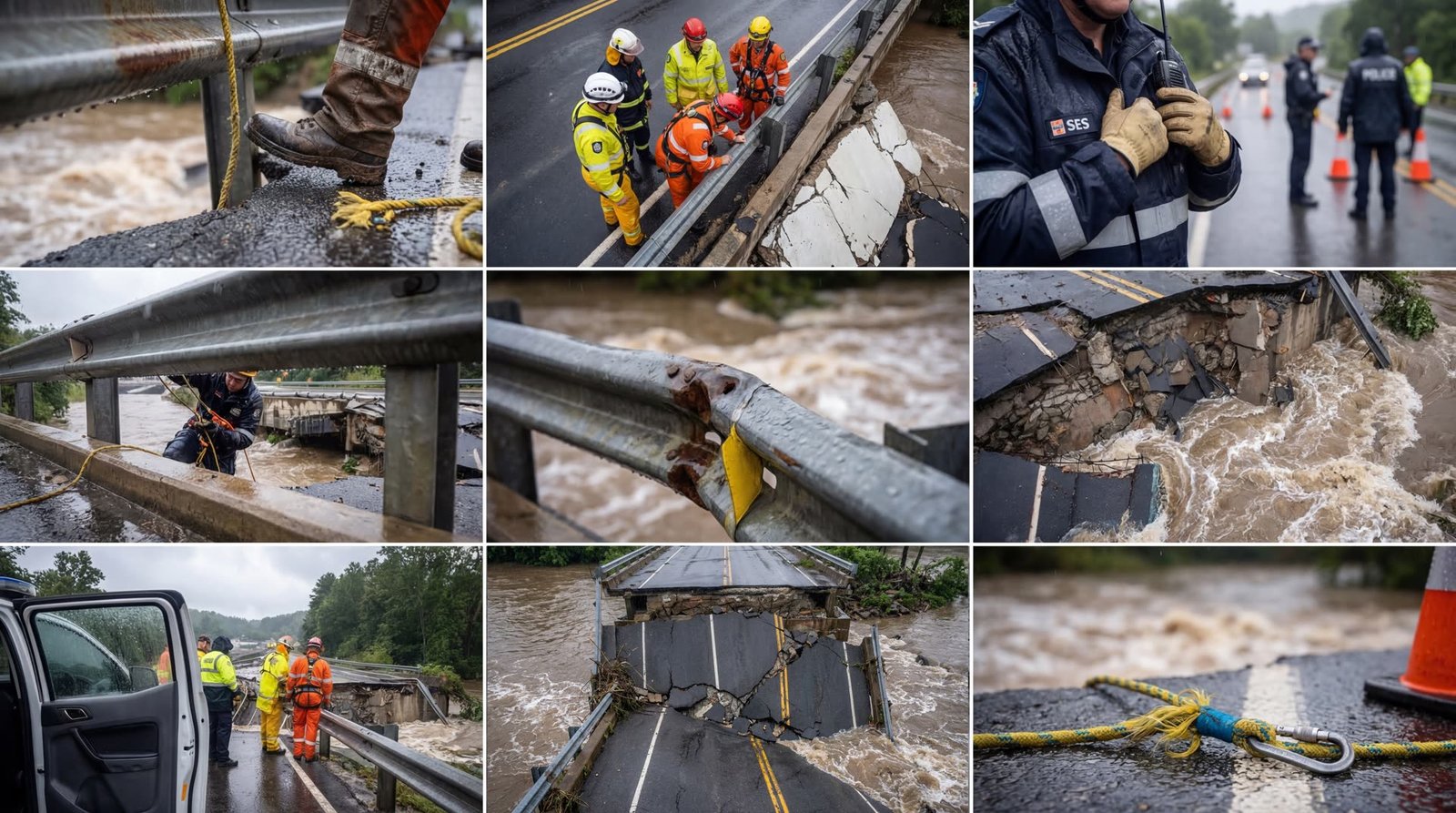
- A broken bridge in a flood means waiting for a real flood, then getting a crew there safely.
- Night-time storm and traffic scenes need a rain rig, a road closure, council approval and emergency services on hire.
- A town with the horizon on fire is not somewhere you can put a film crew.
- Stock or editorial disaster footage from agencies such as Getty Images can cost hundreds of dollars a clip, if the exact shot exists at all.
- Real emergency footage rarely looks cinematic. Crews on the ground shoot wide, in coverage mode, on whatever camera they have. AI Director gives you considered angles, compositions and full coverage of every scene.
AI Director gave the client the exact shots the script called for: cinematic, on brand and on budget.
How one image
becomes a scene
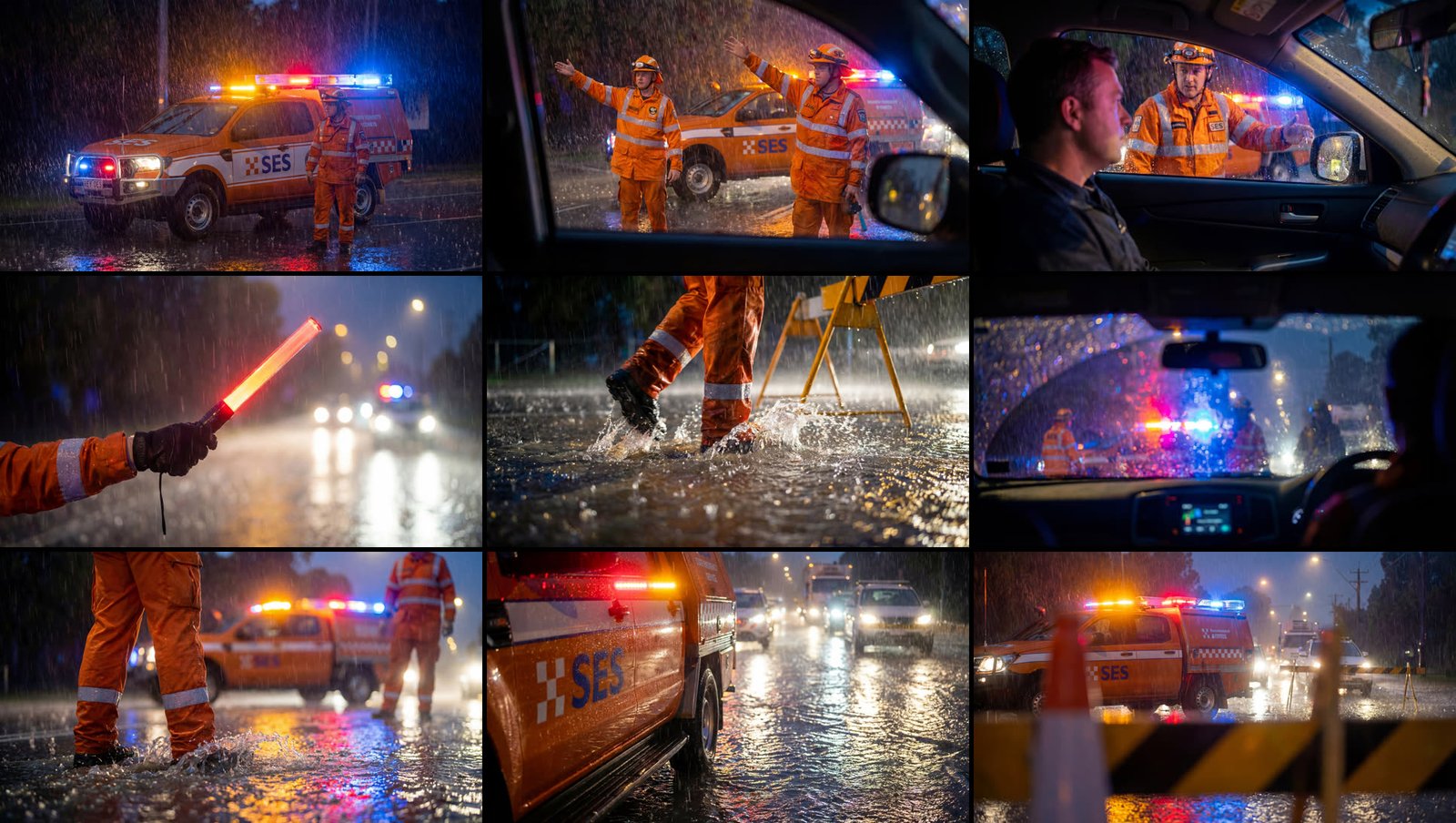
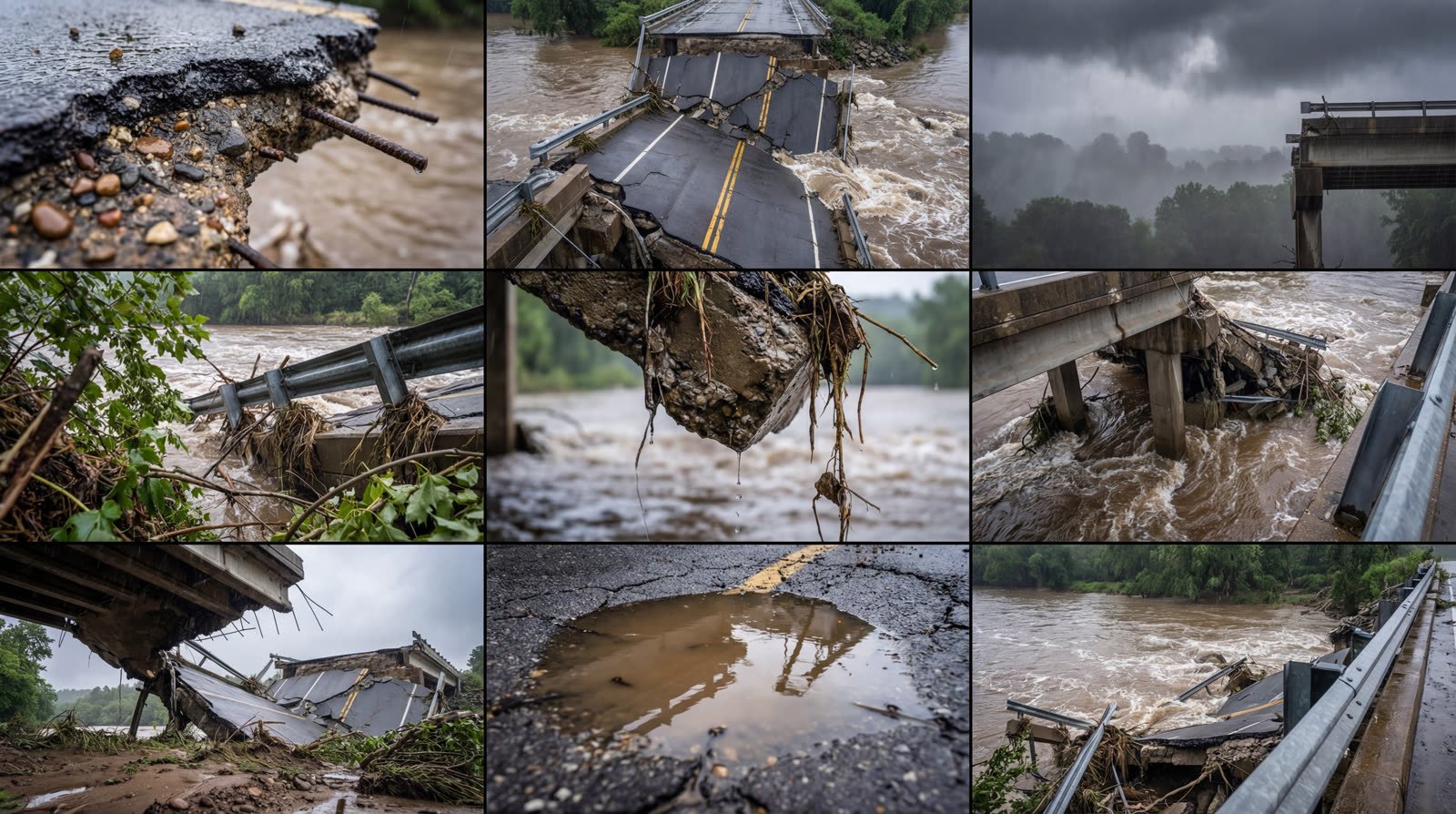
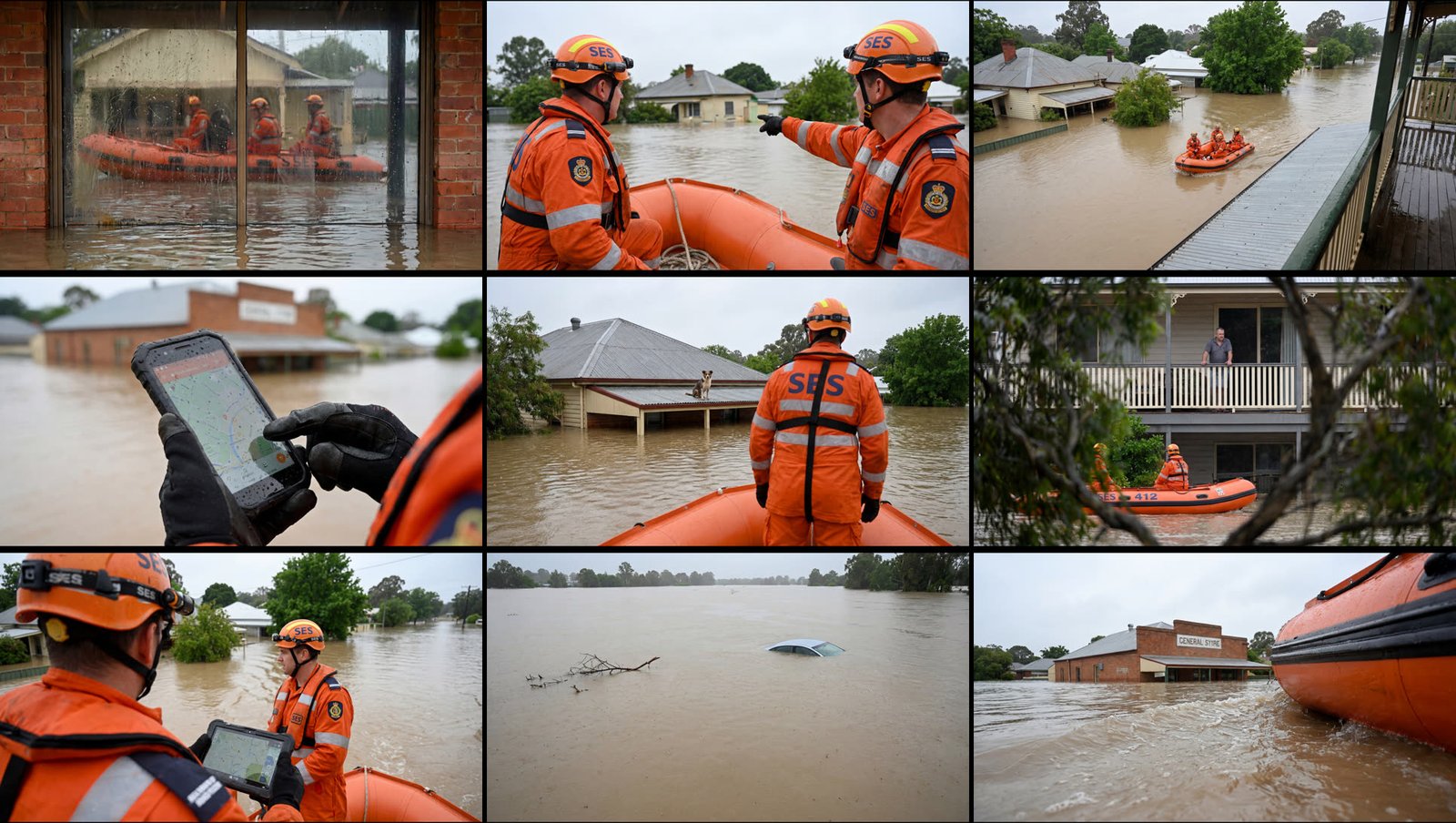
Each scene started as a single reference image, like this flood-damaged bridge. AI Director, my proprietary pre-production software, generates a sheet of nine distinct camera set-ups of the same moment. I choose the angles that suit the edit, upscale them, animate them into moving shots and cut them into the film.
Same method,
different scene
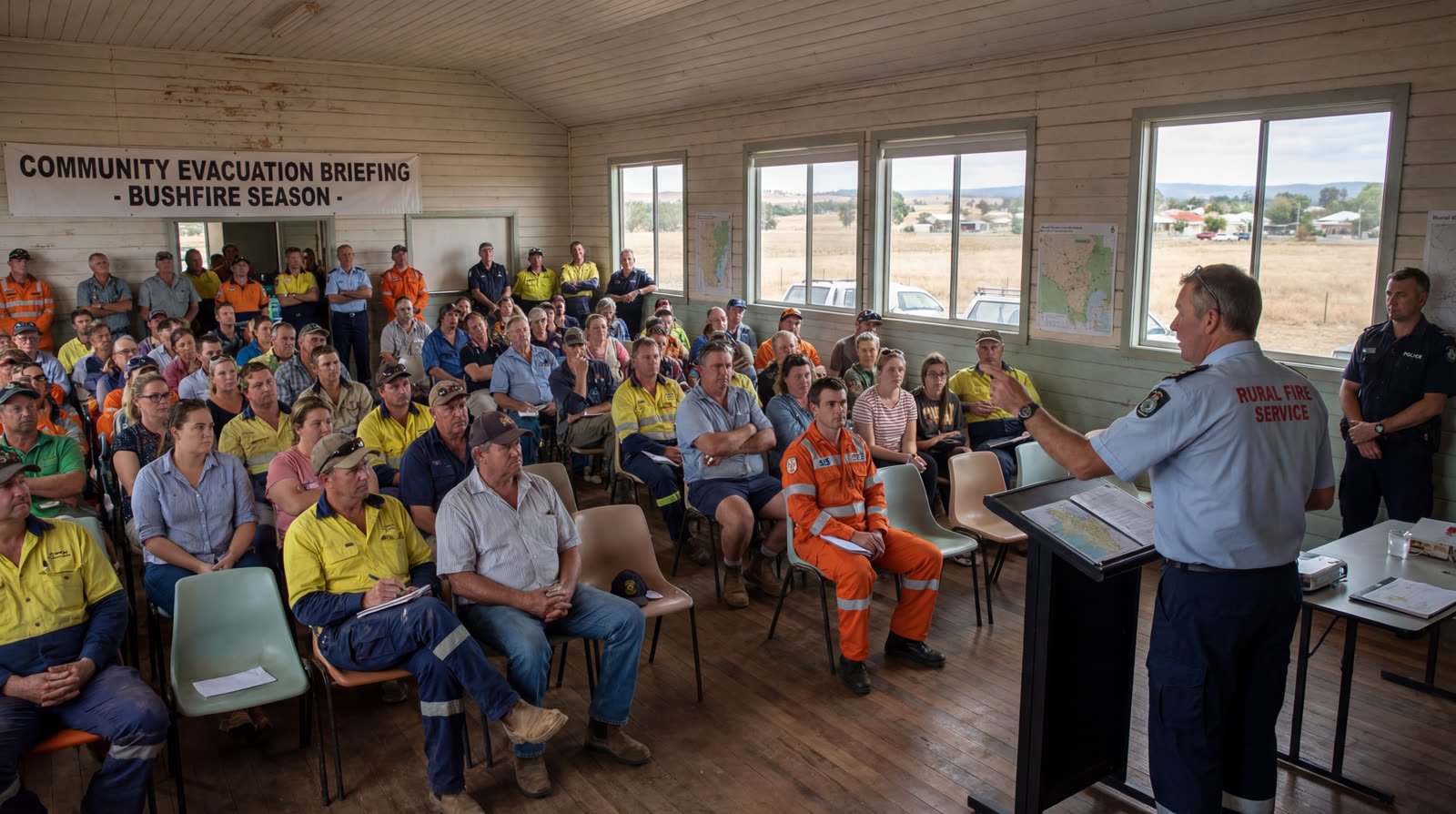
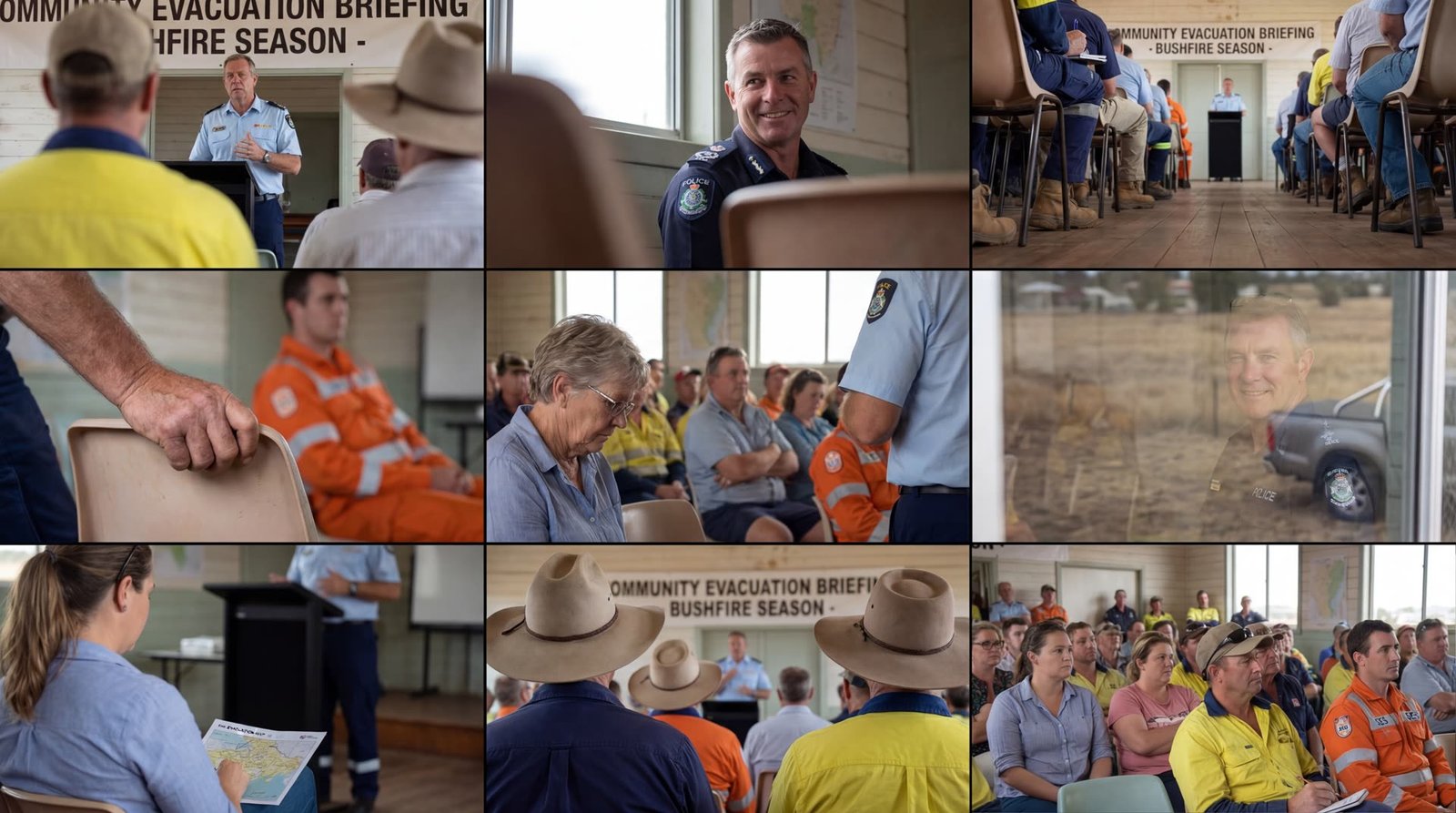
The community evacuation briefing was built the same way: one wide frame of the hall became a full set of coverage, from the speaker at the lectern to faces in the crowd and over-the-shoulder shots.
Rural fire
response
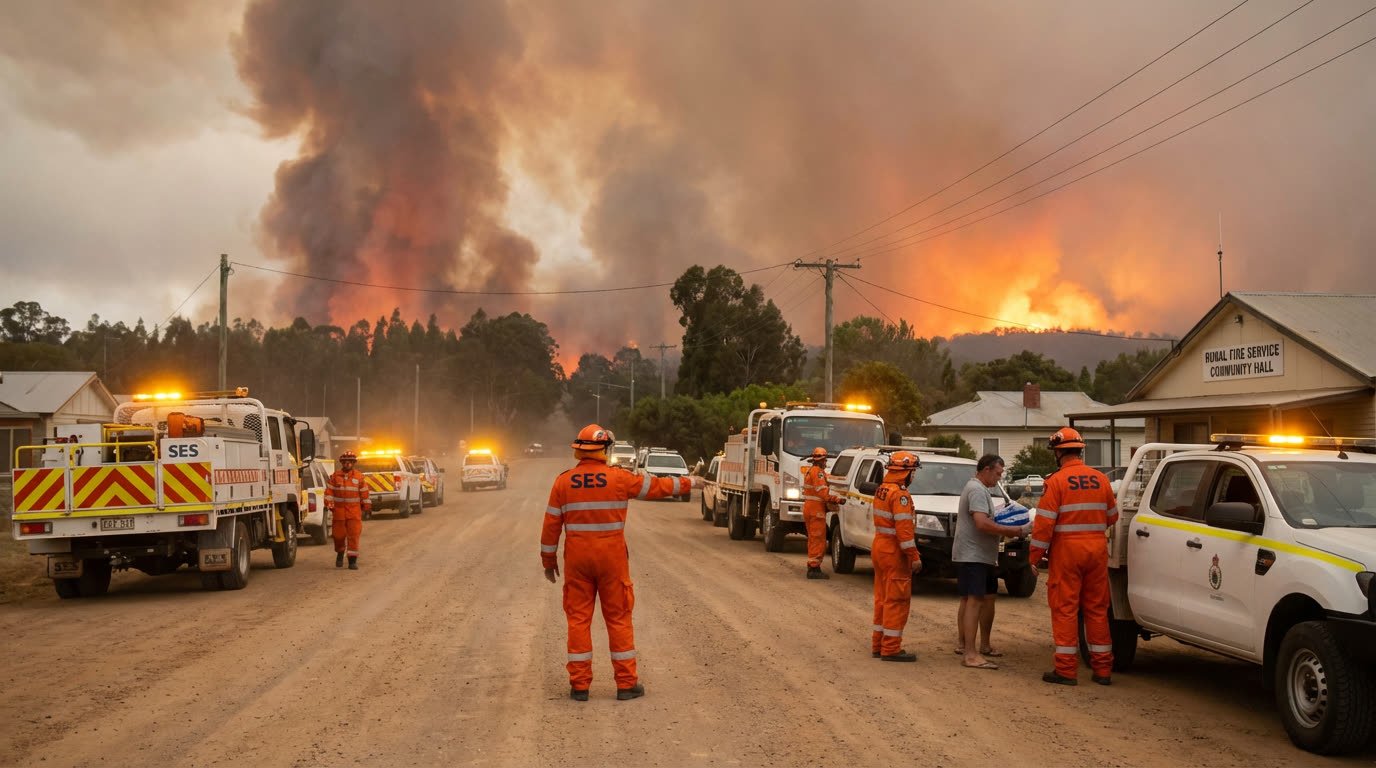
One image of crews outside a country fire station became the whole bushfire sequence: the map briefing on the bonnet, a firefighter’s visor lit by the flames, the driver’s-seat view, the community hall sign, the street full of trucks, a doorstep check on a resident and the convoy lined up under the power lines.
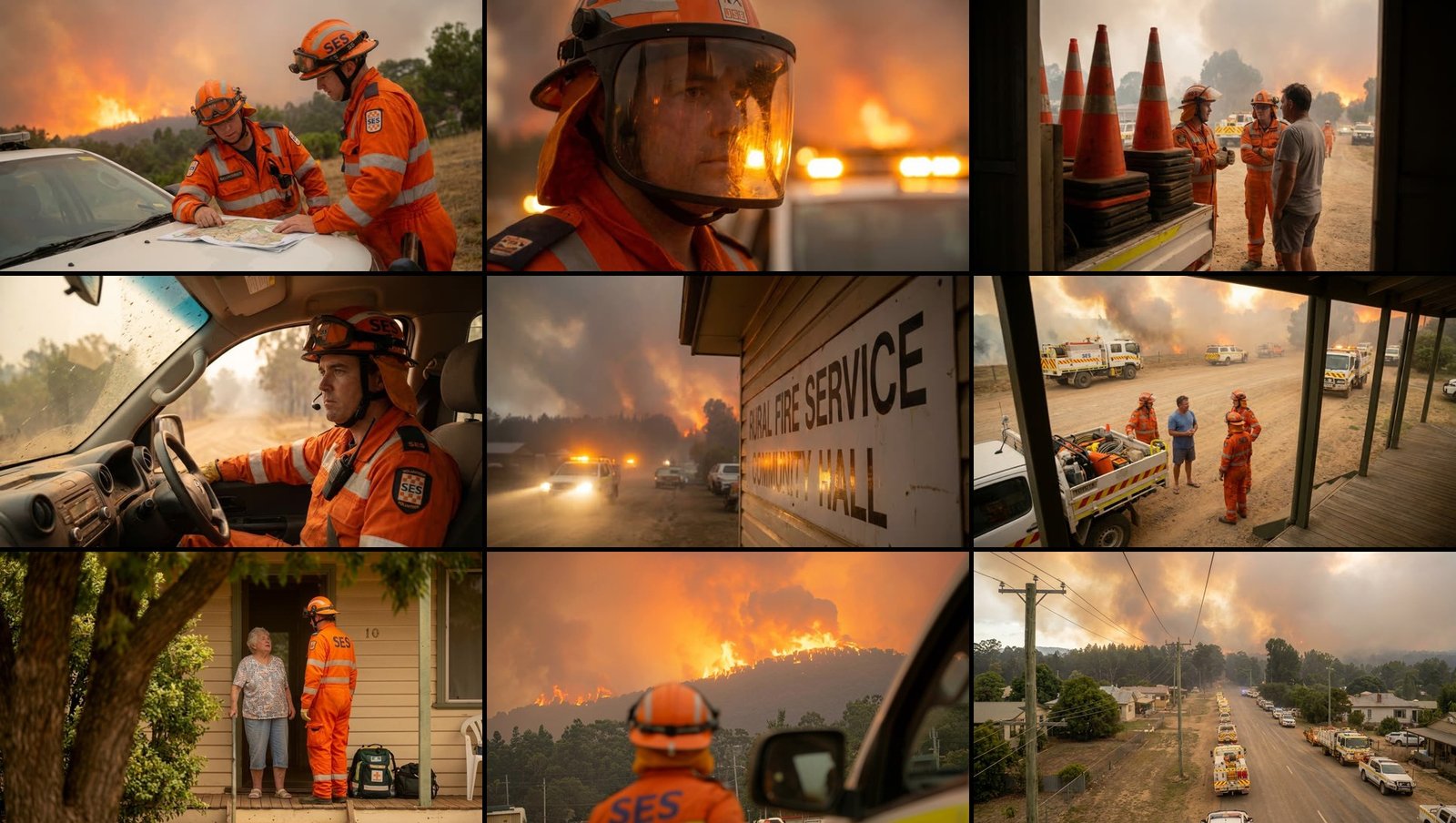
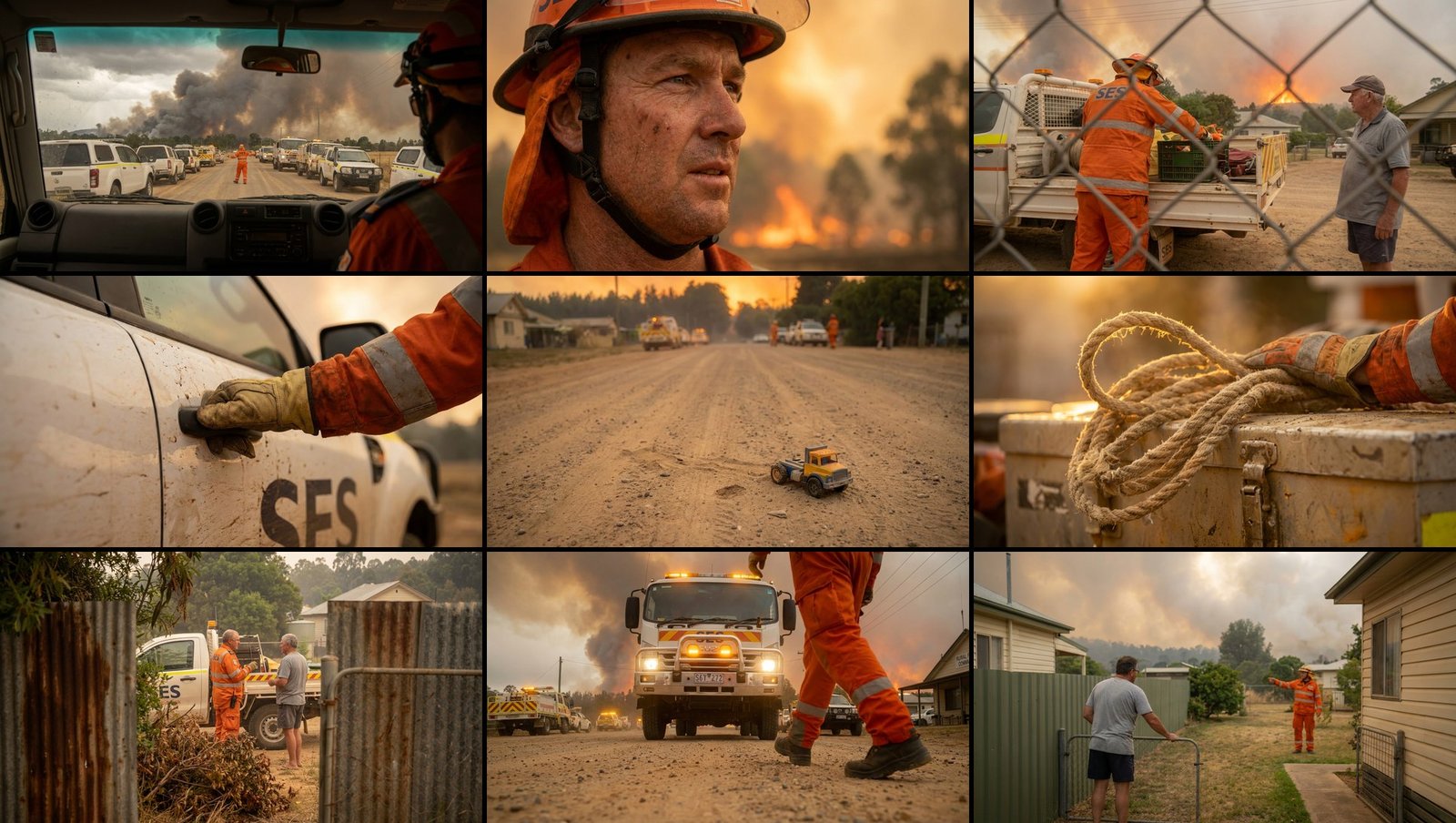
More from the same fire scene
AI Director gives far more coverage than one edit can use. Most of these angles didn’t make the final cut, but they show the range: wide coverage, close detail, and the small human moments a real crew rarely has time to film.
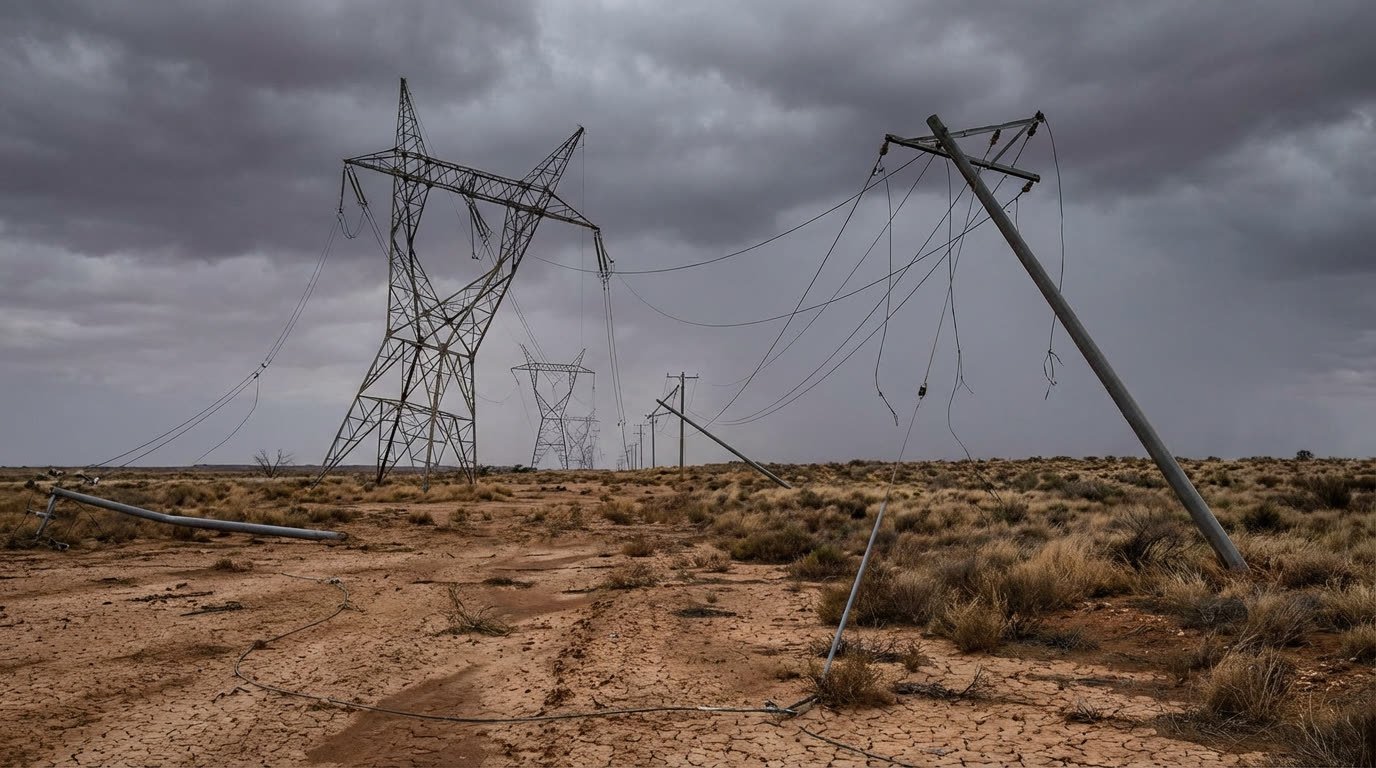
Storm-damaged
power lines
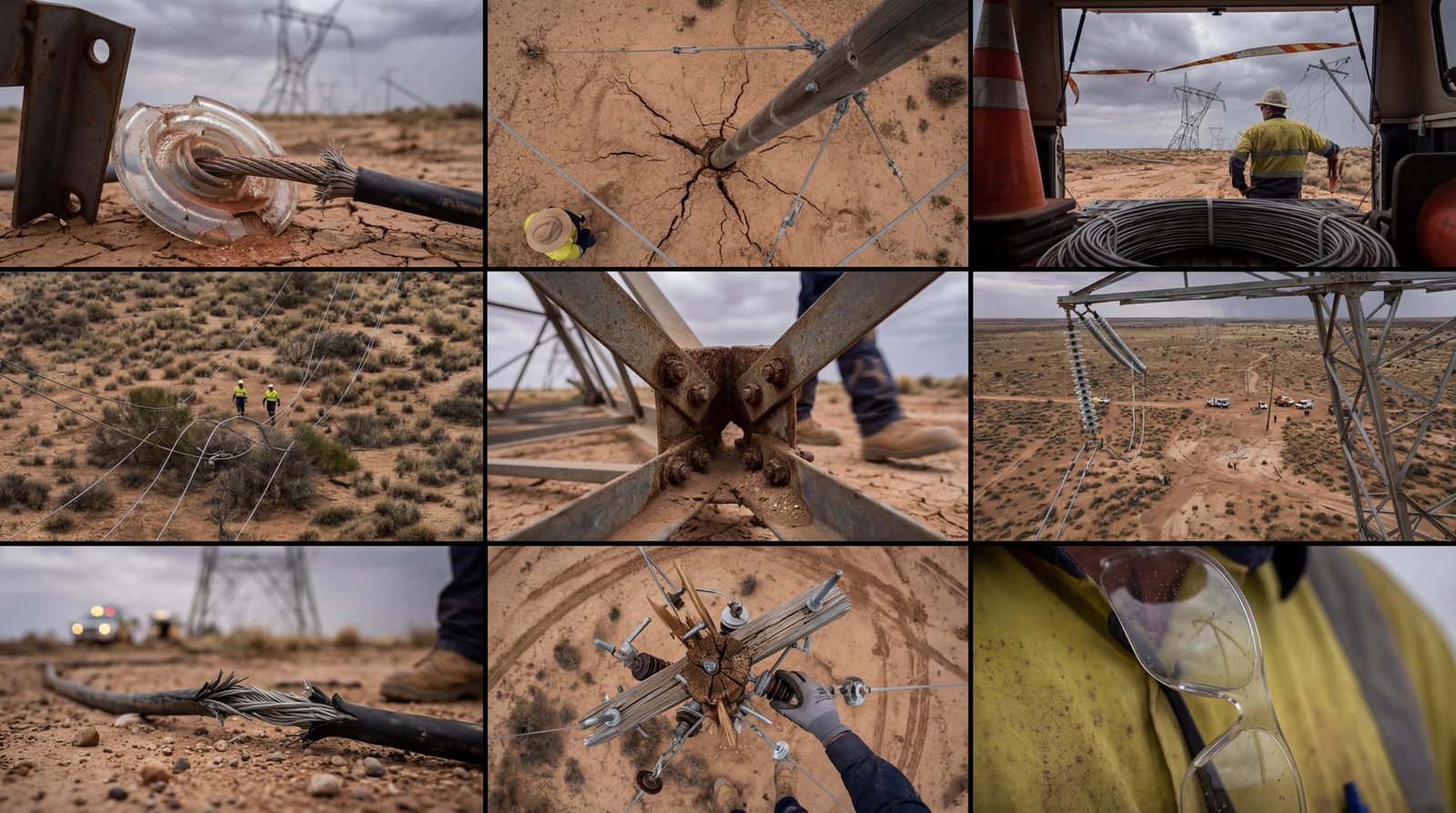
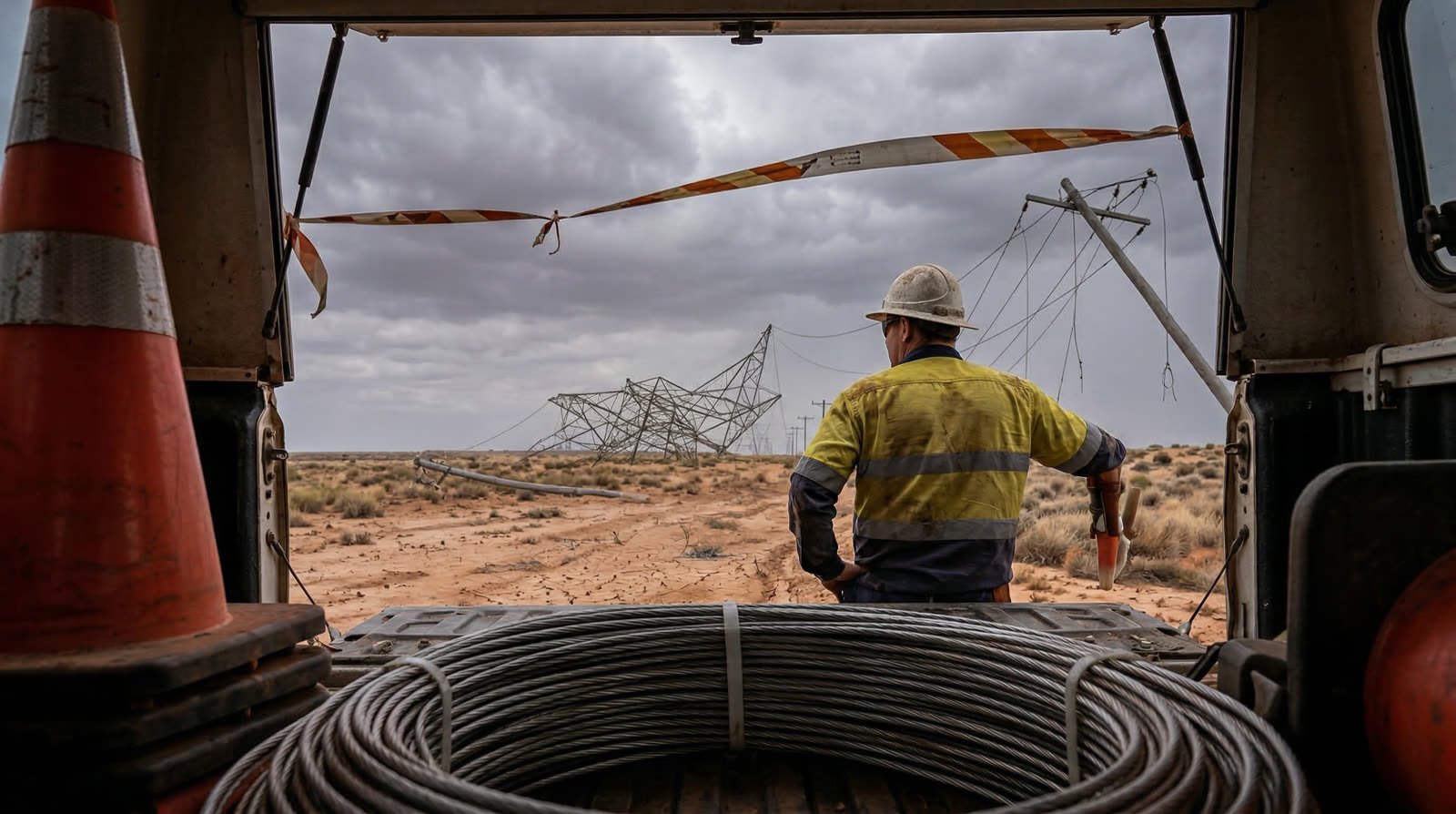
A single wide shot of a downed transmission tower gave the whole sequence: the shattered insulator, cracked earth under the fallen tower, the line worker beside the cable drum, a radio check and an aerial of the crew walking the line.
Emergency
control room
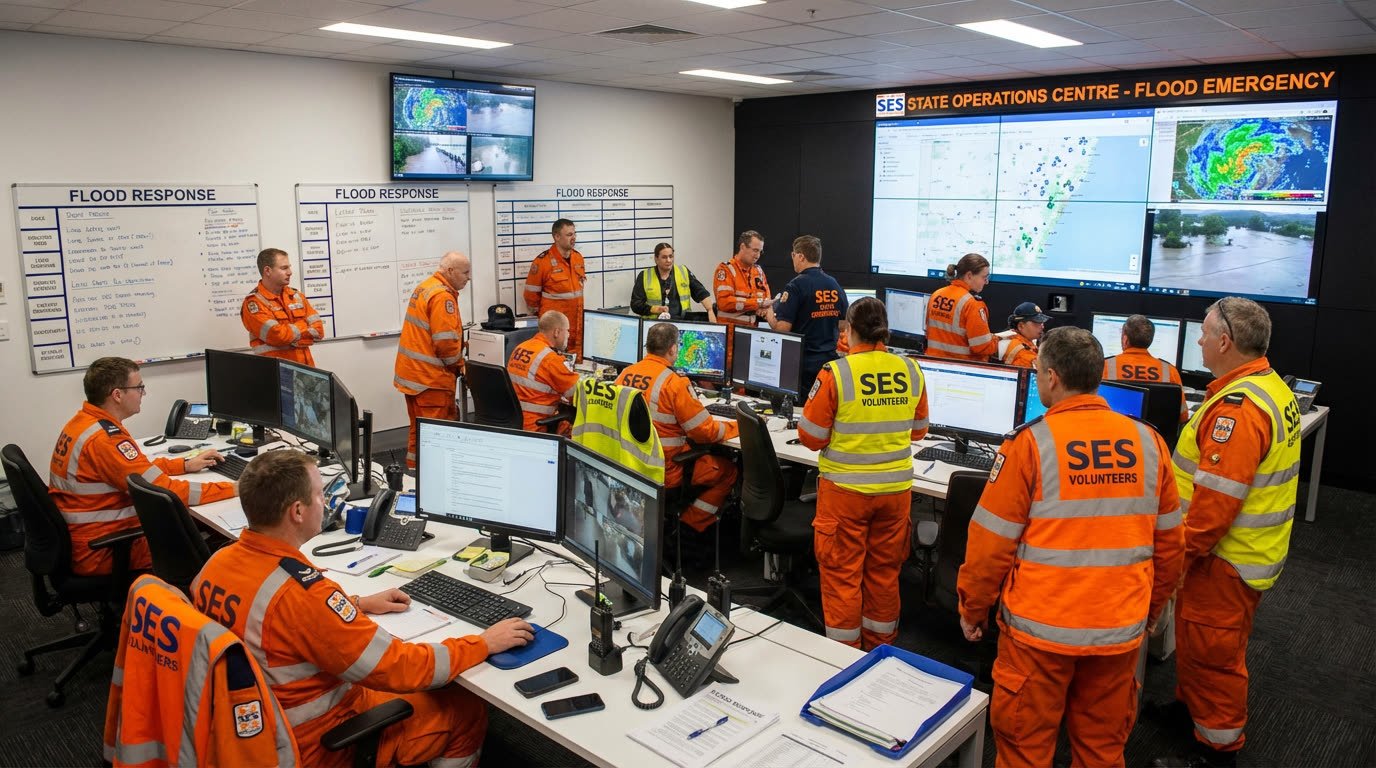
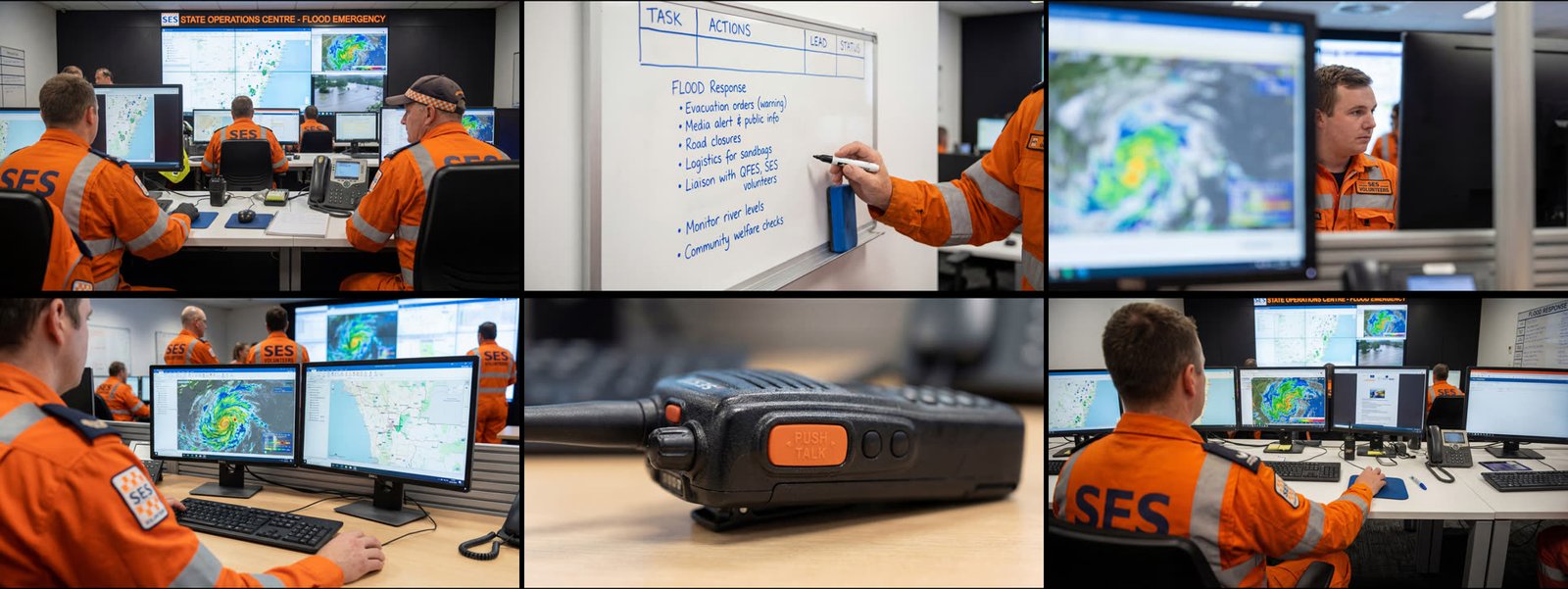
From one image of the State Operations Centre came the whole control-room coverage: operators at their screens, the radar on the monitor, the task whiteboard, the radio on the desk and hands on the keyboard.
Flood
rescue
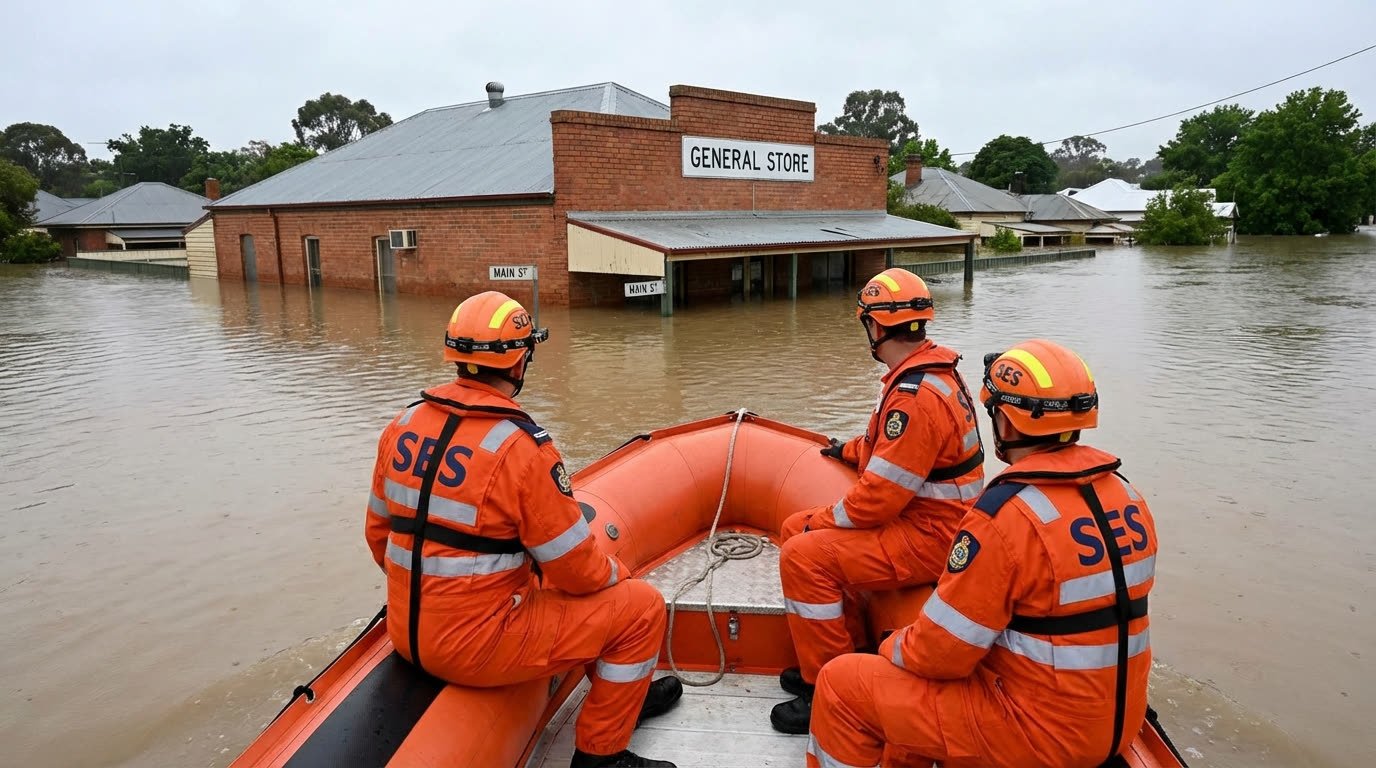
One frame of a rescue boat in a flooded street became the flood sequence: the crew pointing out a stranded house, the boat beside the footbridge, the crew seen through a rain-streaked window, the phone map, the dog on the roof and the resident waving from the verandah.
Night road
rescue
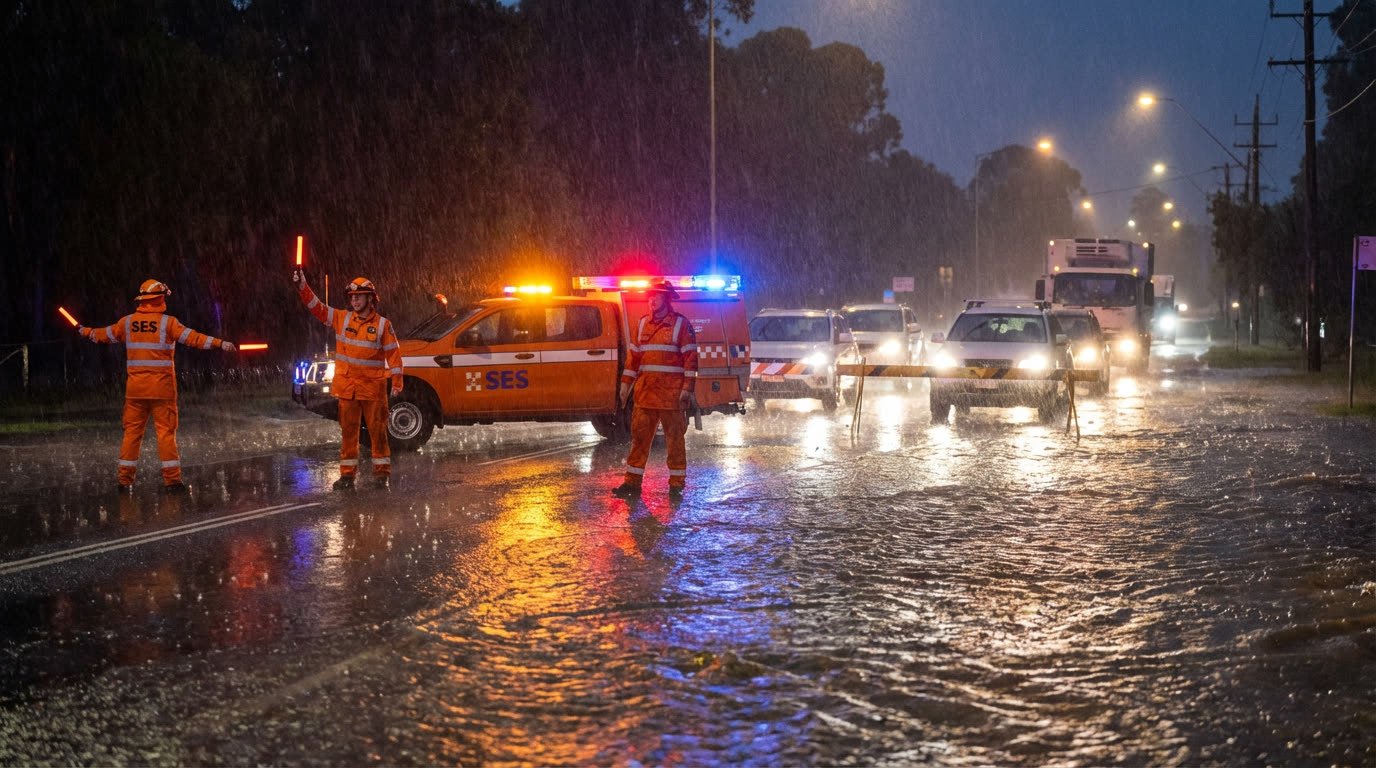
The night flood scenes would have meant a rain rig, a closed road and emergency vehicles on hire after dark. Instead AI Director, my proprietary software, built the whole sequence from one wide shot of crews directing traffic in the rain: SES vehicles under flashing lights, crews in high-vis waving traffic down, a boot splashing through floodwater, the road barrier, and the view from inside a stopped car looking out at the crew.